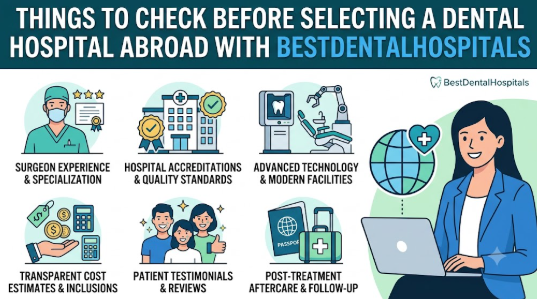
In recent years, the landscape of global healthcare has undergone a profound transformation. Patients around the world are no longer limited to local healthcare providers for specialized, restorative, or cosmetic procedures. Instead, millions of individuals travel internationally each year to access high-quality dental care, specialized treatments, and advanced technology at more manageable out-of-pocket costs. This global phenomenon, widely known as dental tourism, offers incredible opportunities for patients seeking solutions such as full-mouth restorations, dental implants abroad, and comprehensive smile makeovers. However, navigating international healthcare systems, evaluating clinical credentials, and understanding varying care standards across borders can feel overwhelming for anyone planning care far from home.
The decision to undergo dental care in another country requires careful research, transparent information, and a clear understanding of treatment protocols. Before scheduling a procedure, patients must evaluate hospital accreditations, practitioner qualifications, treatment timelines, and post-procedure care options. This essential need for clarity, transparency, and organized medical information is where BestDentalHospitals plays a vital role. Designed as an educational discovery and comparison platform, BestDentalHospitals helps patients systematically explore global treatment options, research accredited facilities, compare international care standards, and make well-informed healthcare decisions without pressure or confusion.
What is BestDentalHospitals?
BestDentalHospitals is an international dental hospital discovery and comparison platform created to simplify how patients research oral healthcare options across the globe. Rather than searching through disjointed website directories or unverified clinical advertisements, users can access an organized, objective ecosystem that consolidates information about international dental centers, specialist qualifications, treatment methodologies, and patient support frameworks.
The core purpose of BestDentalHospitals is to empower healthcare consumers by making complex clinical information accessible, understandable, and easy to evaluate. The platform caters to a diverse audience, including individuals looking for specialized procedures, patients seeking affordable care options outside their home countries, and dental tourists needing assistance in planning multi-stage care journeys. Through structured hospital profiles, detailed treatment descriptions, country-level dental infrastructure overviews, and international patient guidance, BestDentalHospitals provides the tools needed to evaluate global healthcare options responsibly.
Who Should Use BestDentalHospitals?
Navigating foreign healthcare markets requires an analytical approach, and different patients have unique priorities when evaluating care. BestDentalHospitals is tailored to serve a wide range of global health consumers:
- Patients Seeking Complex Restorative Care: Individuals requiring advanced procedures, such as all-on-4 dental implants abroad or full mouth dental implants abroad, can use the platform to understand treatment complexity, required healing periods, and specialized clinical infrastructure.
- Cosmetic Dentistry Candidates: People researching smile enhancements—such as porcelain veneers, ceramic crowns, or full smile redesigns—can evaluate cosmetic dentistry hospitals based on practitioner expertise, technology usage, and material quality.
- Budget-Conscious Healthcare Consumers: Patients facing high domestic treatment costs can compare regional cost factors and international care standards to identify high-quality, cost-effective options without sacrificing clinical standards.
- International Travel Planning Patients: Individuals who want a clear understanding of how clinical schedules interact with travel arrangements, destination logistics, and language support services during their care journey.
- Families and Long-Term Care Planners: Users researching multi-family consultations, general oral healthcare, or preventive maintenance programs in established medical tourism destinations.
Why Patients Choose Dental Treatment Abroad
The growing demand for dental treatment abroad is driven by several interrelated factors that reflect changes in technology, global travel, and healthcare economics. Understanding why patients choose international options helps individuals evaluate whether traveling for care aligns with their personal health goals.
- Access to Highly Specialized Care: Many international dental centers concentrate heavily on specialized fields such as oral implantology, maxillofacial surgery, and digital prosthodontics, providing patients access to clinicians who perform specific complex procedures daily.
- Cost Considerations and Affordability: The variation in living costs, operational overhead, and administrative expenses across different countries allows international facilities to offer treatment at reduced costs while maintaining high quality standards.
- Adoption of Modern Dental Technologies: Leading international facilities frequently invest in cutting-edge infrastructure, including 3D CBCT imaging, CAD/CAM digital impression scanners, guided implant software, and in-house dental laboratories.
- Experienced International Specialists: Many international dentists hold advanced degrees, fellowship certifications, and clinical training from prestigious dental institutions across Europe, North America, and Asia.
- Comprehensive Treatment Packages: International centers routinely offer structured patient care programs that streamline diagnostic appointments, surgical procedures, temporary prosthetics, and follow-up checks into coordinated schedules.
- Dedicated International Patient Services: Modern facilities catering to international visitors often feature dedicated patient coordinators, multi-lingual staff, airport transfers, and local accommodation assistance to ensure a smooth, comfortable experience.
Dental Services and Treatments You Can Explore Through BestDentalHospitals
Understanding the scope of available treatments is essential when planning dental care abroad. Through BestDentalHospitals, users can explore educational resources, procedural breakdowns, and facility profiles across multiple clinical disciplines.
Dental Implants and Full-Mouth Restoration
Dental implants represent one of the most common reasons patients travel internationally. Implants serve as permanent replacements for missing tooth roots, providing a strong foundation for individual crowns, multi-unit bridges, or full-arch prosthetics.
- Single and Multi-Unit Implants: Ideal for patients missing one or several teeth, involving the surgical placement of titanium or zirconia posts into the jawbone, followed by a healing period and final crown attachment.
- All-on-4 Dental Implants Abroad: A specialized technique where a complete arch of replacement teeth is supported by four strategically placed implants. This approach often minimizes the need for bone grafting and allows for temporary prosthetic attachment on the same day.
- Full Mouth Dental Implants Abroad: Comprehensive restorative solutions designed for patients with extensive tooth loss, severe periodontal disease, or failing dental work, restoring both structural function and natural aesthetics across the entire mouth.
Cosmetic Dentistry
Cosmetic dentistry focuses on enhancing the visual appearance of a patient’s smile while maintaining functional alignment and oral health.
- Porcelain and Composite Veneers: Thin, custom-designed shells applied to the front surface of teeth to correct discoloration, minor misalignment, chips, or gaps.
- Dental Crowns and Bridges: Structural restorations crafted from high-grade materials like zirconia or E-max to strengthen damaged teeth or bridge gaps caused by missing teeth.
- Comprehensive Smile Makeovers: Integrated treatment plans that combine multiple cosmetic and restorative techniques—such as teeth whitening, gum contouring, and veneers—to achieve an aesthetic transformation.
Restorative and Orthodontic Care
Beyond implants and cosmetics, international facilities offer comprehensive options across all areas of dentistry:
- Restorative Dentistry: Root canal treatments, inlay/onlay restorations, deep periodontal cleanings, and complex fillings designed to preserve natural tooth structure.
- Orthodontics: Traditional bracket systems and modern clear aligner therapies designed to correct bite malocclusions, crowding, and structural jaw alignment issues.
- General Preventive Care: Routine oral examinations, professional hygiene cleanings, and diagnostic digital imaging to maintain long-term oral health.
How BestDentalHospitals Helps Patients Compare Treatment Options
Selecting an international medical facility requires more than reviewing marketing materials or viewing before-and-after photographs. BestDentalHospitals provides a structured, objective framework that helps users evaluate facilities based on critical clinical criteria:
- Comprehensive Hospital Profiles: Access detailed overviews of international dental centers, including facility size, available technologies, clinical specialties, and years in operation.
- Specialist Credentials and Expertise: Review practitioner qualifications, academic backgrounds, professional memberships, surgical experience, and specialized training certificates.
- Treatment Methodologies: Compare how different hospitals approach specific procedures, such as conventional two-stage implant placement versus immediate-load digital implant workflows.
- Transparent Cost Guidance: Understand average price structures, material choices (such as titanium vs. zirconia), and potential additional costs (such as bone grafting or sinus lifts) without encountering hidden fees.
- Accreditations and Quality Standards: Evaluate facilities based on recognized national and international healthcare accreditations, sterilization protocols, and quality assurance frameworks.
- International Patient Infrastructure: Assess on-site language support services, transportation arrangements, local accommodation coordination, and dedicated patient advocacy staff.
- Regional Infrastructure Comparisons: Compare different destinations based on travel accessibility, flight availability, local climate, safety, and regulatory oversight for healthcare practices.
Benefits of Using BestDentalHospitals
Using a dedicated discovery platform during the initial research phase offers several advantages for prospective international patients:
- Centralized Information Hub: Eliminates the need to navigate hundreds of separate clinical websites by providing standardized, easy-to-compare hospital profiles in one place.
- Objective Educational Content: Focuses on patient education, treatment explanations, and logical planning guidelines rather than high-pressure promotional offers.
- Enhanced Safety Awareness: Encourages patients to evaluate safety protocols, dentist credentials, hygiene standards, and facility accreditations before making financial or medical commitments.
- Time-Saving Comparison Features: Enables users to quickly contrast hospital offerings, technological equipment, practitioner backgrounds, and location advantages side-by-side.
- Clear Expectation Setting: Helps patients understand realistic treatment timelines, healing periods, required travel visits, and post-procedure recovery needs before setting off.
Step-by-Step Guide to Planning Dental Treatment Abroad
Planning dental care in another country requires a structured approach to ensure safety, comfort, and clinical success. By utilizing the structured resources on BestDentalHospitals, patients can follow an organized planning path:
Step 1: Define Your Specific Dental Needs
Begin by compiling your complete dental history, including recent X-rays, diagnostic scans, and records of past treatments. Clearly define your main goals, such as replacing missing teeth, relieving discomfort, or addressing aesthetic concerns.
Step 2: Research Treatment Modatities
Use educational resources on BestDentalHospitals to understand the procedures required for your situation. Learn about standard clinical techniques, material choices, recovery expectations, and alternative care approaches.
Step 3: Compare Hospitals and Destinations
Evaluate top dental destinations based on travel requirements, climate, clinical reputation, and cost factors. Use hospital comparison features to narrow down potential facilities based on technology, specialist credentials, and patient support infrastructure.
Step 4: Schedule Virtual Consultations
Reach out to chosen facilities through structured inquiries to schedule initial virtual discussions. Share diagnostic records, discuss treatment preferences, and ask detailed questions about clinical techniques and material options.
Step 5: Review Comprehensive Cost Factors
Carefully examine non-binding estimates provided by facilities. Ensure you understand what is included in the plan, such as diagnostics, temporary prosthetics, surgical procedures, medications, and follow-up visits.
Step 6: Prepare Travel and Documentation
Once a facility is selected, arrange travel logistics, including passports, entry visas, travel insurance, flights, and accommodations located convenient to the clinic. Ensure your travel schedule allows adequate time for rest and recovery between clinical visits.
Step 7: Undergo Treatment with Clear Communication
Maintain open communication with your attending dental team during your clinical visits. Ask questions about procedure steps, confirm material specifications, and ensure you understand all instructions provided by the staff.
Step 8: Establish Post-Treatment Care
Before departing for home, receive written aftercare guidelines, medication schedules, emergency contact details, and copies of your completed treatment records. Coordinate with a local dentist in your home town for routine follow-up care and long-term maintenance.
Step-by-Step Guide to Comparing Dental Hospitals
When evaluating individual international dental hospitals, systematic research helps ensure patient safety and satisfaction.
- Step 1: Verify Institutional Accreditation: Check if the clinic holds recognized national health ministry accreditations or international quality certifications (such as ISO standards or international healthcare accreditations).
- Step 2: Evaluate Specialist Education: Review the primary dentist’s education, board certifications, specialized fellowship training, and active participation in international professional associations.
- Step 3: Assess Technology and Materials: Inquire about specific equipment used, such as 3D CBCT scanners, digital soft-tissue lasers, or CAD/CAM milling units, and verify that materials come from reputable global manufacturers.
- Step 4: Examine Infection Control Protocols: Confirm that the hospital adheres to strict sterilization standards, uses hospital-grade autoclaves, and follows clear safety guidelines.
- Step 5: Review Patient Support Systems: Ensure the facility provides dedicated international patient coordinators, clear written communication in your language, and transparent emergency contact protocols.
Best Countries for Dental Tourism
Selecting the right destination involves evaluating clinical standards, travel convenience, overall costs, and personal comfort. Rather than ranking countries, patients should compare destinations based on their unique clinical strengths, geographic proximity, and travel infrastructure:
- Mexico: Highly accessible for North American patients, offering a wide array of accredited clinics along border regions and popular resort destinations, known for restorative and implant care.
- Thailand: Recognized for world-class hospital infrastructure, medical tourism expertise, and highly trained specialists, making it a major hub for combined travel and comprehensive dental procedures.
- Turkey: A prominent destination for European and international patients seeking cosmetic smile restorations, porcelain crowns, and advanced dental implant procedures within modern clinical facilities.
- Hungary: Widely considered a premier European destination for complex oral surgery, implantology, and extensive full-mouth restorations, featuring highly rigorous academic and clinical standards.
- Spain and Costa Rica: Exceptional choices for patients seeking high-grade clinical care paired with peaceful recovery environments and well-established international travel connectivity.
Factors Influencing Dental Implant Costs Abroad
When researching a dental implant cost comparison across different international markets, patients often notice substantial price variations. Understanding the factors that influence overall expenses helps set realistic expectations:
- Implant Material and Brand: Premium global implant brands utilizing specialized titanium alloys or biocompatible zirconia often cost more due to extensive research, clinical trials, and manufacturing precision.
- Surgical Complexity and Preparatory Procedures: Additional treatments such as bone grafting, sinus lifts, tooth extractions, or periodontal therapy directly influence the overall scope and cost of care.
- Prosthetic Material Selection: The choice of final prosthetic materials—such as standard acrylic, composite, porcelain-fused-to-metal, or solid monolithic zirconia—significantly affects the final price point.
- Dentist Qualifications and Expertise: Highly experienced oral surgeons, prosthodontists, and internationally certified specialists may charge higher fees reflecting their specialized training and expertise.
- Facility Technology and Overhead: Hospitals utilizing advanced digital dentistry tools, in-house CAD/CAM laboratories, and 3D imaging systems invest heavily in technology, which is reflected in their fee structures.
- Geographic and Economic Factors: Local operational overhead, real estate costs, labor rates, and regional tax structures play a significant role in determining final treatment costs across different countries.
Common Mistakes Patients Make Before Choosing Dental Treatment Abroad
While traveling for dental care offers substantial benefits, avoiding common planning oversights is essential for a safe, successful experience:
- Choosing Facilities Solely Based on the Lowest Price: Selecting a clinic based entirely on cheap pricing can compromise safety, material quality, or clinician experience.
- Solution: Prioritize verified dentist qualifications, hospital accreditations, and high quality standards over cost alone.
- Ignoring Dentist Credentials and Specialization: Assuming all dentists possess equal training in complex surgical implantology or advanced cosmetic design.
- Solution: Verify that your treating clinician has formal post-graduate specialization and extensive experience in the exact procedure you require.
- Underestimating Travel and Healing Timelines: Rushing through treatments without allowing sufficient time for proper tissue healing, lab fabrication, or follow-up adjustments.
- Solution: Discuss realistic care schedules with your dentist and plan your trip duration around recommended healing periods.
- Overlooking Post-Treatment Aftercare and Guarantees: Failing to establish a clear plan for follow-up care or handling unexpected complications once you return home.
- Solution: Ensure the hospital provides clear aftercare instructions, detailed treatment documentation, and defined warranty policies on prosthetics and implants.
- Not Factoring in Total Travel Expenses: Focus solely on treatment costs while ignoring flights, lodging, meals, local transit, and emergency contingency funds.
- Solution: Create a comprehensive budget that includes all travel logistics alongside medical fees.
Best Practices Before Choosing an International Dental Hospital
To ensure a positive clinical experience and optimal long-term results when traveling abroad, follow these core best practices:
- Obtain a Detailed Local Assessment First: Visit a local dentist for a preliminary checkup and diagnostic X-rays so you fully understand your baseline oral health before contacting international clinics.
- Request a Comprehensive Written Treatment Plan: Ensure international clinics provide itemized proposals outlining every step, procedure, material specification, estimated timeline, and potential contingency cost.
- Verify Material Authenticity: Ask the clinic to provide official certificates of authenticity for dental implants and permanent prosthetic restorations, detailing brand names, model numbers, and warranties.
- Confirm Language and Communication Channels: Ensure that key hospital personnel speak your language fluently or that dedicated translation services are guaranteed throughout your stay.
- Plan Local Follow-Up Care in Advance: Establish a relationship with a supportive dentist in your home town who can handle routine cleanings, long-term maintenance, and general follow-up care.
Latest Trends in Dental Tourism
The international dental care sector continues to evolve, driven by technological breakthroughs, digital workflow integration, and elevated patient expectations:
- Digital Guided Dentistry: The use of 3D CBCT scans combined with computer-guided surgical templates allows dentists to place implants with high precision, reducing surgical time and speeding up recovery.
- Same-Day Implant Workflows: Advanced CAD/CAM technology and immediate-load implant designs enable suitable candidates to receive temporary functional teeth on the same day as their surgical procedure.
- Virtual Pre-Treatment Consultations: Secure high-definition video consultations allow patients and international specialists to review diagnostic scans, discuss care goals, and refine treatment plans before any travel takes place.
- Comprehensive Digital Smile Design (DSD): Software that allows patients to preview digital simulations of their cosmetic results and collaborate with their dentist on smile design choices prior to beginning treatment.
- Integrated International Patient Services: Modern international centers increasingly provide end-to-end care coordination, handling local transportation, accommodations, and personalized recovery support.
Comparative Analysis of Dental Treatments and Hospital Evaluation Factors
Evaluating different dental procedures and hospital selection criteria requires comparing key clinical parameters side by side. The following professional tables outline fundamental treatment characteristics and core hospital evaluation standards to help guide your research.
Table 1: Comparative Overview of Common International Dental Treatments
| Dental Treatment | Primary Clinical Purpose | Typical Treatment Duration | Key Recovery & Healing Considerations | Ideal Candidate Profile |
| Single Dental Implants | Replaces a single missing tooth root and crown without altering adjacent teeth | 2 to 6 months (typically split across 2 separate visits) | Requires 3–6 months of osseointegration for bone integration before final crown attachment | Patients with adequate bone density, healthy gums, and a single missing tooth |
| All-on-4 Implants | Restores an entire missing arch of teeth using four strategically placed implants | 3 to 7 days for initial surgical placement & temporary bridge | Initial soft tissue healing takes 1–2 weeks; full osseointegration requires 3–6 months before final bridge fitting | Patients with complete tooth loss, severe decay, or failing dental work seeking full restoration |
| Porcelain Veneers | Corrects aesthetic defects such as discoloration, chips, minor gaps, or uneven shapes | 5 to 10 days (often completed in a single travel visit) | Minimal physical recovery; potential temporary tooth sensitivity for a few days | Individuals with good foundational oral health seeking cosmetic smile enhancements |
| Zirconia Crowns | Protects, covers, and restores damaged, cracked, or root-treated teeth | 3 to 7 days (requires digital impressions and lab fabrication) | Mild tissue sensitivity for 24–48 hours post-cementation | Patients needing structural reinforcement, functional restoration, or crown replacement |
| Full Mouth Restoration | Comprehensive reconstruction addressing multiple functional, bite, and cosmetic issues | 1 to 3 weeks initially; total process may span 6 months | Varies depending on combined treatments (surgeries, bone grafts, and prosthetic fittings) | Complex cases involving severe wear, multiple missing teeth, or advanced structural damage |
Table 2: Essential Evaluation Criteria for Choosing an International Dental Hospital
| Evaluation Factor | Key Aspects to Examine | Why It Matters for Patient Safety | Best Dental Hospitals Platform Advantage |
| Hospital Accreditations | ISO certifications, national health ministry licensing, and international safety memberships | Ensures the facility meets strict hygiene, operational safety, and clinical protocols | Features verified institutional profiles highlighting official credentials and safety compliance |
| Dentist Qualifications | Academic background, post-graduate specialist training, and years of surgical experience | Guarantees that complex procedures are performed by trained, specialized clinicians | Provides detailed practitioner profiles outlining surgical experience and board certifications |
| Technology Infrastructure | 3D CBCT imaging, digital CAD/CAM systems, surgical guides, and modern autoclaves | Improves diagnostic accuracy, placement precision, and long-term treatment outcomes | Highlights hospital technological capabilities and diagnostic facilities |
| Material Transparency | Use of globally recognized implant brands, certified ceramics, and official authenticity cards | Ensures long-term durability, biocompatibility, and ease of acquiring replacement parts locally | Encourages transparent disclosure of material specifications and manufacturer warranties |
| Patient Support Infrastructure | Dedicated translation staff, airport transit support, virtual follow-ups, and clear emergency plans | Reduces travel stress, eliminates language barriers, and ensures safe recovery management | Categorizes facilities based on international patient services and support offerings |
Expert Tips for Prospective Dental Tourists
- Maintain Realistic Timeline Expectations: Complex procedures like dental implants abroad take time. Avoid rushing surgical or prosthetic phases, as proper bone integration and tissue healing are essential for long-term success.
- Request Digital Files of All Diagnostic Scans: Always ask for copies of your 3D CBCT scans, X-rays, and treatment plans on a USB drive or via cloud storage so you can easily share them with clinicians in the future.
- Confirm Emergency Protocols in Advance: Ask your chosen facility how they handle unexpected complications or necessary adjustments after you return home, including their policies on follow-up care and revisions.
- Prioritize Clear Written Communication: Ensure all treatment estimates, clinical recommendations, material details, and aftercare instructions are provided in writing in your primary language.
- Focus on Overall Value Over Price Alone: Evaluate international care choices based on clinical quality, specialist credentials, safety standards, and modern technology rather than choosing solely on price.
Frequently Asked Questions
1. Is it safe to get dental implants abroad?
Yes, receiving dental implants abroad is safe when you choose an accredited hospital with qualified oral surgeons, proper sterilization standards, and high-quality materials. Researching credentials and facility standards thoroughly ensures a safe treatment experience.
2. How much can I save on full mouth dental implants abroad?
Savings vary based on the destination, selected materials, and case complexity. Many patients save between 40% and 70% compared to domestic care prices while receiving treatment at modern, fully accredited international facilities.
3. How does BestDentalHospitals help me choose a hospital?
BestDentalHospitals consolidates clinical information, specialist qualifications, available technologies, and facility accreditations into structured profiles. This allows patients to compare options objectively and find facilities that match their personal needs.
4. What happens if I experience complications after returning home?
Reputable international facilities provide written aftercare guidelines, digital follow-up consultations, and clear warranty policies. It is also recommended to establish a relationship with a local dentist for long-term maintenance and routine checkups.
5. How long do I need to stay abroad for All-on-4 dental implants?
An initial trip for All-on-4 implants usually lasts between 5 and 10 days to allow for surgical placement, temporary prosthetic fitting, and early recovery monitoring. A second visit 3 to 6 months later is typically required for permanent bridge installation.
6. Are international dentists properly qualified?
Leading international dental centers employ specialists who have completed rigorous academic training, international fellowships, and continuous professional education. Many hold certifications from recognized international dental boards.
7. Can I get cosmetic dentistry like porcelain veneers abroad?
Yes, cosmetic procedures like veneers, crowns, and smile makeovers are common among international patients. Facilities using modern CAD/CAM technology and in-house labs can often complete high-quality cosmetic transformations within 5 to 7 days.
8. What is the difference between titanium and zirconia dental implants?
Titanium implants are the long-standing industry standard, known for durability and high osseointegration success rates. Zirconia implants are metal-free, tooth-colored alternatives often chosen by patients with metal sensitivities or aesthetic preferences.
9. How do I know if an international dental hospital is accredited?
Accredited facilities display certifications from national health ministries, standard setting bodies like ISO, or recognized international healthcare accreditation organizations. BestDentalHospitals highlights these verified credentials on facility profiles.
10. Do international dental hospitals offer language support for travel patients?
Yes, most top international facilities catering to global visitors feature multi-lingual staff, dedicated international patient coordinators, and translation services to ensure clear communication throughout your treatment journey.
Final Summary
Navigating international dental care requires balancing quality, safety, convenience, and cost. Traveling for dental implants abroad, complex restorative care, or cosmetic smile transformations offers significant benefits, provided patients plan thoroughly and choose verified, accredited facilities. Educational discovery platforms like BestDentalHospitals help simplify this journey by providing objective, organized information, structural comparison tools, and insights into global care standards.
By evaluating specialist qualifications, technology infrastructure, material transparency, and aftercare protocols, healthcare consumers can make confident, informed decisions about their oral health. Remember that online research is an essential first step, but final treatment plans and clinical decisions should always be made in direct consultation with qualified dental professionals.
