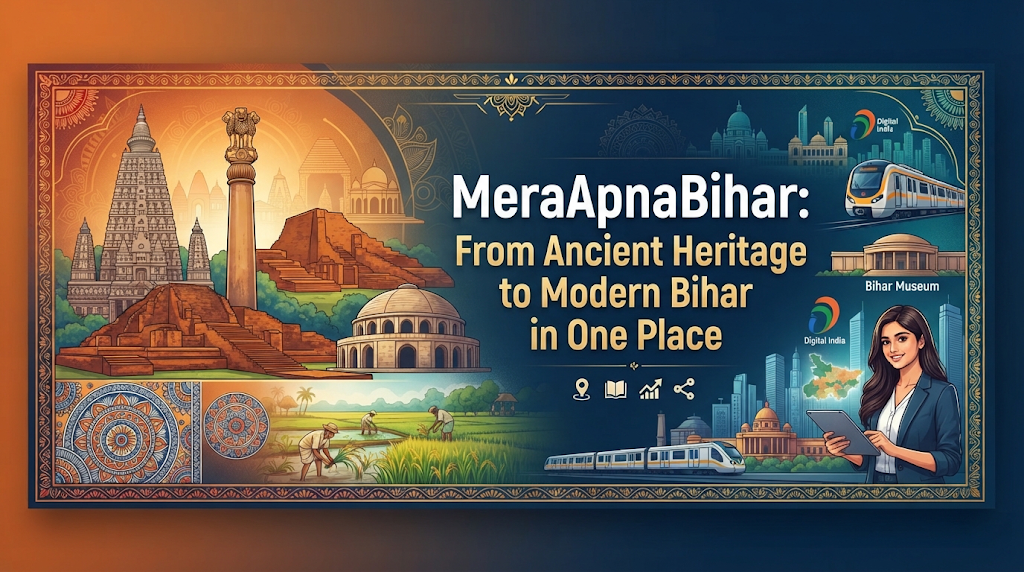
Bihar is a land shaped by ancient thought, profound spirituality, diverse landscapes, and living traditions. From the peaceful monasteries where major world religions found their voice to the fertile agricultural plains along the sacred Ganga, the state holds a unique place in Indian history and culture. Travelers who explore the region often seek out memorable historical landmarks, quiet pilgrimage sites, local cuisine, and vibrant seasonal festivities. At the same time, people across the state and beyond regularly search for clear details on cultural heritage, regional updates, and career opportunities.
Finding balanced, realistic, and organized information about the state can sometimes be a challenge. Online queries often return outdated travel blogs, fragmented local news pieces, or generic lists that do not explain practical realities. This is where MeraApnaBihar serves as a dedicated digital knowledge hub. By gathering travel insights, historical context, traditional recipes, cultural customs, and educational updates into a single accessible platform, it helps travelers, students, families, and residents explore Bihar with clarity and confidence.
What Is MeraApnaBihar?
MeraApnaBihar is an independent, Bihar-focused digital content platform created to document, share, and explain the many dimensions of the state. Rather than functioning solely as a commercial travel directory or a generic news portal, the platform acts as an educational and cultural bridge for anyone interested in Bihar.
The platform organizes its coverage around key thematic pillars:
- Comprehensive Travel Content: In-depth destination overviews, practical travel itineraries, regional connectivity details, and sightseeing recommendations designed to help visitors plan journeys smoothly.
- Culture, Arts, and History: Well-researched features exploring ancient dynasties, religious philosophy, folk art forms, and architectural treasures that define regional identity.
- Culinary Traditions: Dedicated documentation of regional recipes, village cooking methods, seasonal delicacies, and traditional street foods.
- Festivals and Community Customs: Explanations of spiritual and social celebrations, highlighting their cultural origins, rituals, and community participation.
- Regional News, Education, and Career Information: Curated coverage of state updates, academic announcements, competitive examinations, and recruitment notifications, providing readers with a helpful starting point for official research.
By bringing these distinct subjects together under one roof, MeraApnaBihar provides readers with a balanced perspective. A student researching historical monuments can also find insights on local heritage, while a family planning a pilgrimage can discover practical advice on regional foods and transit options.
Understanding Bihar Tourism
Bihar tourism offers far more than a standard sightseeing holiday. Because the region served as the heart of major empires like the Mauryas and Guptas, almost every district features layers of historical and spiritual significance. Travel here spans multiple interests:
- Buddhist Pilgrimage: Travelers come from across the globe to visit the places where Gautama Buddha lived, meditated, attained enlightenment, and taught his disciples.
- Jain Heritage: The state is deeply connected to Lord Mahavira, who was born in Vaishali and attained Nirvana in Pawapuri, making it a sacred destination for Jain devotees.
- Ancient Centers of Education: The ruins of Nalanda and Vikramshila represent some of the world’s earliest residential universities, drawing educators, historians, and curious minds.
- Spiritual and Ancestral Traditions: Gaya has been an ancient pilgrimage site for generations, particularly for those performing ancestral rites along the sacred Falgu River.
- Nature and Wildlife: Beyond monuments, the northern boundaries of the state feature lush sal forests, riverine grasslands, and tiger habitats near the Himalayan foothills.
- Sufi and Sikh Heritage: Sites such as Takht Sri Patna Sahib in Patna and prominent Sufi shrines in Maner Sharif highlight centuries of harmonious spiritual tradition.
A trip across Bihar should never be treated as a quick, single-city stopover. Because experiences vary dramatically between urban centers, rural districts, and protected nature reserves, travelers benefit greatly from looking at regional clusters rather than rushing through the map.
Major Bihar Tourist Places to Explore
When planning an itinerary, travelers encounter a rich collection of destinations that showcase the state’s historical depth and spiritual legacy. Understanding what makes each place unique allows visitors to set realistic schedules and meaningful expectations.
Bodh Gaya
Located in Gaya district, Bodh Gaya is one of the four principal holy sites of Buddhism. The centerpiece of the town is the UNESCO World Heritage Mahabodhi Temple Complex, which marks the spot where Siddhartha Gautama attained enlightenment beneath the sacred Bodhi Tree. Visitors experience a peaceful atmosphere filled with chanting monks, international monasteries established by various Buddhist nations, and dedicated meditation spaces. Before visiting, travelers should research temple entry guidelines, footwear regulations, and photography policies within the inner sanctum.
Rajgir
Set in a valley surrounded by seven scenic hills, Rajgir was the ancient capital of the Magadha kingdom. It holds great significance for both Buddhists and Jains. Key landmarks include Gridhrakuta (Vulture’s Peak), where the Buddha delivered numerous sermons, the Vishwa Shanti Stupa accessible via a ropeway, and ancient cyclopean stone walls built during the pre-Mauryan era. Rajgir is also famous for its natural hot sulfur springs. Travelers should plan for moderate walking and check local operating hours for the ropeway and hillside paths.
Nalanda
A short distance from Rajgir lies Nalanda, home to the excavated ruins of an ancient monastic university that flourished from the fifth to the twelfth century. Walking through the extensive red-brick ruins of stupas, classrooms, dormitories, and meditation halls gives visitors a vivid sense of ancient scholarship. The nearby archaeological museum houses rare stone sculptures, bronzes, and coins recovered during excavations. Visitors should allocate sufficient daylight hours to walk through the expansive complex.
Patna
The modern capital city, historically known as Pataliputra, sits along the southern bank of the Ganga River. It blends modern commerce with ancient landmarks. Key attractions include the Bihar Museum, renowned for its world-class curation of regional art and antiquities, the historic Patna Museum, the massive Golghar granary, and Takht Sri Patna Sahib, the birthplace of Guru Gobind Singh Ji. Because Patna is a bustling urban hub, travelers should account for city traffic when planning their transit between sites.
Vaishali
Situated north of the Ganga, Vaishali is regarded as one of the world’s earliest known democratic republics. It was the birthplace of Lord Mahavira and the site where the Buddha delivered his final sermon before his Mahaparinirvana. Key landmarks include the intact Ashokan Pillar topped with a single lion capital, ancient relic stupas, and the peaceful coronation tank known as Abhishek Pushkarini. Vaishali offers a quieter, rural setting, making early daytime visits ideal.
Gaya
Positioned along the Falgu River, Gaya is a revered Hindu pilgrimage destination centered on the Vishnupad Temple. Pilgrims travel from across the subcontinent to perform the solemn Pinda Daan ritual to honor their ancestors. The town features a dense network of traditional ghats, historic lanes, and spiritual shrines. Travelers should prepare for narrow, bustling market roads and coordinate locally when planning ancestral rites.
Sasaram
Located in Rohtas district, Sasaram is celebrated for its remarkable Indo-Islamic architecture, most notably the majestic mausoleum of Emperor Sher Shah Suri. Built in the sixteenth century, this massive three-tiered red sandstone tomb rises out of an artificial lake, showcasing engineering precision and grand design. It is an essential destination for travelers interested in mediaeval military architecture and historical monuments.
Valmiki Nagar
Situated in the West Champaran district along the Indo-Nepal border, Valmiki Nagar hosts the Valmiki National Park and Tiger Reserve. Characterized by dense sub-Himalayan terai forests, the Gandak River, and rich biodiversity, it provides opportunities for nature trails, eco-tourism, and birdwatching. Travelers visiting the reserve should check safari booking protocols and local forest department advisories in advance.
Organizing Places to Visit in Bihar by Travel Interest
Every traveler approaches a journey with distinct expectations. Grouping destinations by interest helps visitors design a focused route that avoids travel fatigue.
Historical Places
Travelers who appreciate archaeology and political history should focus on the Magadha and Mithila belts. Walking through the structural remains of Nalanda, the ramparts of Rajgir, the Barabar Caves—the oldest surviving rock-cut caves in India—and the grand tomb at Sasaram offers unmatched insight into Indian dynastic history.
Religious and Spiritual Destinations
Pilgrims and spiritual seekers often follow dedicated circuits. The Buddhist circuit links Bodh Gaya, Nalanda, Rajgir, and Vaishali. The Jain circuit connects Kundalpur, Rajgir, and Pawapuri, where Lord Mahavira’s white-marble Jal Mandir rests inside a lotus pond. Hindu pilgrims focus on Gaya and historic river ghats along the Ganga, while Sikh travelers make pilgrimages to Takht Sri Patna Sahib and connected historic gurdwaras.
Nature and Wildlife Reserves
Those seeking outdoor experiences and greenery can explore Valmiki Tiger Reserve in West Champaran, the natural wetlands of Kanwar Lake in Begusarai, and the riverine ecosystem of the Vikramshila Gangetic Dolphin Sanctuary in Bhagalpur. These locations require early planning, as visiting rules depend heavily on weather and local conservation protocols.
Family-Friendly Destinations
Families traveling with children and senior citizens often prioritize comfort, accessible walking paths, and educational displays. The Bihar Museum in Patna, the peaceful parks surrounding Rajgir’s historic sites, and the serene grounds of international temples in Bodh Gaya provide comfortable, enriching experiences suitable for all age groups.
Cultural and Craft Centers
Travelers fascinated by living traditions can visit Madhubani and nearby villages in the Mithila region to observe Madhubani (Mithila) painting created in family courtyards. Similarly, Bhagalpur offers a look into traditional Tussar silk weaving, while local artisan clusters around Patna produce traditional Tikuli crafts.
Practical Bihar Travel Guide: Planning Your Journey
A successful trip across Bihar depends on sensible preparation, regional awareness, and realistic transit planning.
Choosing Your Travel Season
The most comfortable period for exploring the plains of Bihar is from October through March. During these months, daytime temperatures are mild and pleasant for outdoor walking and monument exploration. April through June brings intense summer heat, which can make midday sightseeing exhausting. The monsoon season, from July to September, brings lush green landscapes to hilly regions like Rajgir, but heavy rains can cause localized transit delays in low-lying river areas.
Transportation and Connectivity
- Air Travel: Patna’s Jay Prakash Narayan Airport and Gaya Airport serve as the primary aviation gateways, offering direct connections to major Indian metropolitan cities.
- Railways: Bihar possesses an extensive, highly connected railway network. Key junctions like Patna, Gaya, Mughalsarai (Pt. Deen Dayal Upadhyaya Junction nearby), Barauni, and Muzaffarpur link major routes across the state.
- Roads and Inter-District Travel: National and state highways have improved travel between major centers such as Patna, Rajgir, Bodh Gaya, and Muzaffarpur. However, local journeys still require adequate buffer time for village traffic, rail crossings, and agricultural transit.
Accommodation Research
Major centers like Patna, Bodh Gaya, and Rajgir offer diverse accommodation choices, including boutique hotels, state-run tourist bungalows, guesthouses, and simple pilgrim lodges. In rural or specialized historical locations, choices may be limited to modest guesthouses. Travelers should review facilities, check cancellation terms, and confirm bookings well ahead of time, especially during peak pilgrimage or festival seasons.
Health, Safety, and Travel Etiquette
Drinking packaged or thoroughly boiled water, eating freshly cooked meals from reputed outlets, and carrying basic seasonal medications ensure a comfortable journey. Modest clothing that covers shoulders and knees is appropriate when visiting temples, mosques, gurdwaras, and rural villages. Travelers should always ask for permission before taking close-up portraits of local residents or artisans at work.
Enriching Things to Do in Bihar
Experiencing Bihar goes far beyond checking landmarks off a tourist checklist. Meaningful travel comes from engaging directly with regional life, history, and craftsmanship:
- Meditation and Quiet Contemplation: Spending an early morning sitting within the Mahabodhi Temple gardens or along the quiet hill pathways of Rajgir offers peace away from crowded city spaces.
- Exploring Museum Galleries: A visit to the Bihar Museum in Patna provides hours of discovery, featuring ancient terracotta, bronze artefacts, folk sculptures, and engaging historical narratives.
- Sampling Authentic Regional Cuisine: Enjoying freshly prepared meals at trusted neighborhood eateries introduces travelers to distinctive smoky flavors, rustic grains, and regional sweets.
- Observing Artisan Workshops: Visiting artisan communities in Madhubani to observe the delicate pen work and natural pigments used in Mithila painting offers a personal look into living folklore.
- Evening River Experiences: Attending the evening Ganga Aarti at Gandhi Ghat in Patna provides a memorable look into communal devotion and riverfront culture.
- Browsing Traditional Markets: Walking through historic regional bazaars allows travelers to explore local handloom fabrics, regional lentils, seasonal spices, and traditional bell-metal vessels.
Bihar Culture and Heritage: Ancient Wisdom and Living Arts
The cultural landscape of Bihar is formed by thousands of years of intellectual discourse, spiritual philosophy, and rich artistic traditions. Long before modern political boundaries were drawn, Magadha, Anga, and Mithila were recognized across Asia as major hubs of learning, literature, and governance.
The heritage of learning produced luminaries such as the mathematician Aryabhata, who pioneered zero and spherical astronomy, and the political strategist Chanakya, whose Arthashastra remains a foundational treatise on statecraft. Monastic institutions welcomed scholars from China, Korea, Tibet, and Central Asia, fostering a tradition of deep debate and mutual exchange.
Artistic expression remains deeply rooted in domestic life and religious celebration:
- Madhubani (Mithila) Art: Characterized by complex geometric patterns, natural plant dyes, and scenes from nature and classical epics, this world-renowned style was traditionally painted by women on mud walls during weddings and festivals before transitioning to paper and canvas.
- Manjusha Art: Originating in the ancient Anga region (Bhagalpur), this narrative scroll-painting art uses a distinct three-color palette (pink, green, and yellow) to tell the folk legend of Bihula and Mansa.
- Sujani Embroidery: A traditional quilting craft where old fabrics are layered and stitched with fine chain work to tell stories of rural life, women’s experiences, and community rituals.
- Language and Literature: The linguistic fabric of Bihar is rich and varied, including Maithili—an officially recognized constitutional language with a deep literary heritage—alongside Bhojpuri, Magahi, and Angika, each rich in oral storytelling, proverbs, and folk ballads.
Famous Food of Bihar: Simple Flavors and Rustic Traditions
The traditional cuisine of Bihar emphasizes nutrition, seasonal produce, and unpretentious cooking techniques. Rather than relying on heavy cream sauces or overpowering spices, regional dishes highlight the natural flavors of native lentils, roasted gram flour, mustard oil, and local vegetables.
Litti Chokha
The most iconic culinary preparation of the state, Litti consists of whole wheat dough balls stuffed with a savory filling of spiced sattu (roasted gram flour mixed with garlic, ginger, green chilies, carom seeds, mustard oil, and pickle spices). These stuffed dough balls are traditionally roasted over an open cow-dung or charcoal fire until the crust blisters, then dipped in pure desi ghee. It is paired with Chokha, a mash of roasted brinjals, tomatoes, and boiled potatoes seasoned with raw mustard oil, garlic, and fresh green chilies.
Sattu-Based Dishes
Roasted gram flour is a dietary staple across the state. Rich in plant-based protein and dietary fiber, sattu is enjoyed in various forms. In summer, Sattu Sharbat (served sweet or seasoned with black salt, cumin, and lemon) serves as a natural cooling drink. Sattu Paratha, cooked on a griddle, provides a wholesome everyday breakfast.
Dal Pitha
Often described as a traditional steamed dumpling, Dal Pitha is made from rice flour dough filled with a savory paste of spiced Bengal gram (chana dal) and garlic. The dumplings are gently steamed and eaten warm, often served with coriander chutney or simple potato curries.
Chana Ghugni
A popular savory preparation made from black chickpeas (kala chana) slow-cooked with chopped onions, cumin, coriander, and bay leaves. It is a beloved breakfast dish, frequently paired with flattened rice (poha or chura), hot puffed puris, or plain rotis.
Traditional Regional Sweets
- Khaja: A flaky, layered pastry delicacy originating in Silao (near Rajgir). Made from wheat flour and dipped in sugar syrup, Silao Khaja holds a Geographical Indication (GI) tag for its crisp layers and subtle sweetness.
- Tilkut: A winter specialty made in Gaya from pounded sesame seeds and clarified jaggery (gur) or refined sugar. Its light, crumbly texture requires skilled manual craftsmanship.
- Thekua: A revered dry sweet prepared from whole wheat flour, jaggery, desiccated coconut, and cardamom, pressed into wooden moulds and deep-fried in ghee. It is celebrated as the sacred prasad of Chhath Puja.
- Balushahi and Anarsa: Regional sweet shops also specialize in Balushahi from Runni Saidpur and Anarsa (made from powdered rice and sesame seeds) from Gaya.
Festivals of Bihar: Faith, Devotion, and Community Harmony
Festivals in Bihar reflect the state’s deep agricultural rhythms, reverence for natural elements, and strong family bonds.
Chhath Puja
Chhath Puja is the most celebrated festival in Bihar, observed with absolute purity, discipline, and community cooperation. Dedicated to the Sun God (Surya) and Chhathi Maiya, the Vedic rituals span four intense days:
- Nahay Khay: Devotees clean their homes and prepare a traditional vegetarian meal of bottle gourd (kaddu) and rice cooked in earthen or brass pots.
- Kharna: A day of complete fasting followed by an evening offering of jaggery kheer (rasiao-kheer) and rotis, after which a 36-hour waterless fast begins.
- Sandhya Arghya: On the third evening, families gather along riverbanks, lakes, and ponds to offer prayers to the setting sun, carrying bamboo baskets (soop) filled with seasonal fruits, sugarcane, and fresh Thekua.
- Usha Arghya: On the final morning, devotees return before dawn to offer prayers to the rising sun, concluding the fast with community blessings.
The festival is unique because it honors both the setting and rising sun, involves no priestly hierarchy, and brings together all sections of society along communal water bodies. Visitors should approach the ghats with deep respect, dress conservatively, and avoid littering.
Other Significant Celebrations
- Sama-Chakeva: Celebrated in Mithila during early winter, this folk festival honors the bond between brothers and sisters through clay figurines, traditional folk songs, and community rituals.
- Shravani Mela: During the monsoon month of Shravan, thousands of saffron-clad pilgrims (Kanwariyas) collect holy water from the Ganga at Sultanganj and walk over one hundred kilometers barefoot to offer it at the Baba Baidyanath Temple.
- Sonepur Mela: Held on the full moon of Kartik at the confluence of the Ganga and Gandak rivers, this historic event represents one of Asia’s oldest and largest rural cattle and cultural fairs.
- Buddha Jayanti and Mahavir Jayanti: Observed with solemn prayers, peaceful processions, and scriptural readings in Bodh Gaya, Rajgir, and Vaishali.
Practical Travel Planning for Your Bihar Trip
Turning online research into a realistic travel plan requires careful attention to time, logistics, and regional geography. A common traveler mistake is treating transit distances across north and south Bihar as quick drives.
When organizing a multi-day itinerary:
- Define Regional Hubs: Group your travel logically. A classic southern circuit includes Patna, Bodh Gaya, Rajgir, Nalanda, and Pawapuri. A northern heritage and nature route might combine Vaishali, Muzaffarpur, and Valmiki National Park.
- Allow Transit Buffers: While highways are well-maintained, passing through busy market towns can add unexpected travel time. Plan for journeys between districts to take longer than estimated by digital maps.
- Balance Temple Visits with Rest: Pilgrimage sites like Bodh Gaya and Gaya require extensive walking over stone courtyards. Schedule quiet rest periods during midday heat to prevent fatigue.
- Confirm Seasonal Timings: Historical monuments managed by the Archaeological Survey of India (ASI) typically operate from sunrise to sunset, while modern museums and ropeways follow dedicated weekly operating hours.
- Budgeting Realistically: Independent travel across Bihar remains relatively affordable compared to other tourist hubs. However, reserving verified private vehicles, reputable hotels, and official local guides ensures safety and peace of mind.
Who Can Benefit from MeraApnaBihar?
MeraApnaBihar provides structured information tailored to many different types of readers:
1. First-Time Bihar Travelers
Visitors traveling to the state for the first time often carry misconceptions or feel overwhelmed by transport logistics. Clear destination guides, packing advice, and transit overviews help first-time travelers navigate local transit, understand regional customs, and select destinations that match their expectations.
2. Families Planning Bihar Trips
Family holidays involving children and grandparents require dependable arrangements for food, accessibility, and comfortable lodging. The platform’s destination features highlight accessible historical sites, family-friendly eateries, and clean pilgrim complexes, making multi-generational family journeys smooth and rewarding.
3. Students and Young Travelers
Curious students and budget-conscious backpackers visit Bihar to explore ancient history, political philosophy, and unique rural ecosystems. Educational articles on ancient university ruins, architectural forms, and affordable travel itineraries help young explorers travel economically while learning deeply about their heritage.
4. History and Heritage Enthusiasts
Scholars, writers, and heritage lovers seek context beyond basic tourist brochures. Detailed explanations of ancient dynasties, archaeological excavations, museum collections, and living folk arts provide the background information necessary to appreciate historical monuments fully.
5. Bihar Residents and Local Readers
Local residents regularly look for fresh insights into their home state. Informational coverage of regional festivals, seasonal cultural events, community news, and local culinary traditions helps residents stay connected to regional culture and discover new destinations close to home.
6. Job and Information Seekers
A large segment of readers looks for timely updates regarding competitive exams, recruitment notifications, and higher education. By curating public employment news, exam patterns, and official portal updates, the platform provides an accessible starting point for job seekers before they access official government portals.
Bihar News and Updates: Staying Informed
Keeping up with regional news requires a clear understanding of the difference between permanent, unchanging information and rapidly developing current events. While the historical significance of Nalanda remains constant, travel guidelines, public transit schedules, road developments, and seasonal advisories can shift without warning.
When reading news and local updates on any informational website:
- Always Check the Publication Date: Avoid planning travel or taking administrative steps based on undated or archived articles.
- Confirm Infrastructure Realities: Read recent updates on regional highways, bridge projects, and train schedules before beginning long road journeys.
- Verify Administrative Notices: During severe weather events, heatwaves, or seasonal river flooding, district administrations issue temporary local advisories that travelers must follow.
- Distinguish Informal Commentary from Official Directives: Use regional articles to learn about local developments, but always refer to municipal, state, or transport department notices for formal rules.
MeraApnaBihar provides curated local updates that help readers understand the context behind regional happenings, giving them an informed starting point before they seek out primary sources.
Bihar Government Jobs: Navigating Public Employment Information
Government employment holds immense social, economic, and professional importance for students and graduates across Bihar. Public service positions through the Bihar Public Service Commission (BPSC), Bihar Staff Selection Commission (BSSC), police recruitment boards, educational departments, and regional public sector organizations attract millions of dedicated candidates each year.
Informational platforms like MeraApnaBihar help candidates learn about newly announced vacancies, eligibility requirements, and examination structures. However, preparing for public service requires candidates to follow careful verification habits.
Candidates should always verify the following details against the primary official recruitment notification:
- Official Advertisement Number: Never apply or prepare based on general announcements alone; always verify the exact recruitment notification number published by the commission.
- Eligibility and Age Criteria: Check minimum and maximum age limitations, reservation category relaxations, and educational qualifications on the official cutoff date.
- Application Submission Windows: Verify opening and closing registration dates, online fee submission deadlines, and correction window periods directly on the official portal.
- Exam Syllabus and Selection Process: Review the official notification to understand negative marking rules, multi-stage screening processes (Prelims, Mains, Interviews), and physical endurance requirements.
- Application Portals: Submit documents and fees exclusively through the designated official government website.
Third-party educational platforms serve as valuable guides for discovering opportunities, analyzing past syllabi, and reading general exam preparation strategies. However, the official government gazette or commission notification remains the sole legal authority for any public recruitment drive.
Information Categories and Reader Value on MeraApnaBihar
The table below outlines how MeraApnaBihar organizes its core content areas, the key takeaways readers can expect, and the primary audience served by each section.
| Information Area | What Readers Can Learn | Who It Helps |
| Tourism & Sightseeing | Overview of major spiritual, historical, and ecological destinations across the state. | Inbound tourists, solo explorers, and cultural travelers. |
| Tourist Places & Circuits | Detailed guides to Bodh Gaya, Rajgir, Nalanda, Vaishali, Sasaram, and Valmiki Nagar. | Holiday planners, international visitors, and heritage enthusiasts. |
| Travel Planning & Logistics | Best seasons to travel, transit connections, route mapping, and realistic travel pacing. | First-time visitors, families, and road-trippers. |
| Culture & Regional Heritage | Deep context on ancient empires, living arts (Madhubani, Manjusha), and historical philosophy. | Students, cultural researchers, and history lovers. |
| Famous Food & Cuisine | Insights into traditional preparations (Litti Chokha, Sattu dishes) and regional GI-tagged sweets. | Food enthusiasts, culinary travelers, and curious home cooks. |
| Festivals & Traditions | Spiritual background, ritual steps, and cultural importance of events like Chhath Puja. | Photographers, cultural visitors, and local communities. |
| Regional News & Updates | Curated overviews of civic progress, local events, seasonal changes, and travel advisories. | State residents, daily commuters, and regional observers. |
| Government Job Information | Summaries of BPSC, BSSC, and departmental vacancies, eligibility rules, and syllabus patterns. | Career aspirants, competitive exam candidates, and graduates. |
Common Mistakes When Planning a Bihar Trip
Many travelers face unexpected challenges during their visit to Bihar simply due to hurried planning or misplaced assumptions. Avoiding these common mistakes ensures a safe, comfortable, and memorable trip:
- Attempting to Cover Too Much in Few Days: Trying to cover Patna, Bodh Gaya, Rajgir, Nalanda, Sasaram, and Valmiki Nagar in a long weekend results in exhaustion. Focus on one geographic cluster at a time.
- Underestimating Driving Times: Road travel between small towns can be slowed down by local market congestion, agricultural vehicles, and train level crossings. Build buffer hours into your daily schedule.
- Ignoring Seasonal Weather Conditions: Sightseeing around open stone stupas and ruins during peak summer afternoons can lead to heat exhaustion. Plan visits for the cooler morning or late afternoon hours.
- Relying Exclusively on Social Media Clips: Short video clips often present destinations without context, omitting practical realities like parking locations, walking distances, and dress codes.
- Overlooking Heritage Site Rules: Flying unauthorized drones, carrying forbidden photography gear inside sacred sites, or touching ancient stone carvings violates site guidelines. Always follow ASI notices.
- Failing to Confirm Temple and Monument Timings: Several archaeological sites and museums close on specific weekdays (for example, many museums close on Mondays). Always confirm operational days before traveling.
- Booking Remote Accommodations Without Research: Reserving hotels far from main transit centers simply for cheaper rates can lead to difficult early-morning or late-night transit. Pick well-connected locations.
Best Practices for Using an Informational Platform
To make the most of digital resources like MeraApnaBihar, readers should use good research habits that pair educational overviews with timely personal verification:
- Read Travel Guides Before You Book: Read destination profiles ahead of time to understand local topography, required walking effort, and basic site regulations.
- Cross-Check Seasonal Recommendations: Compare travel recommendations with real-time weather forecasts before packing your bags.
- Check Publication and Update Dates: Review the date on articles covering roads, transit options, or civic projects to ensure the details reflect current conditions.
- Use Independent Platforms for Context, Official Portals for Execution: Use informational articles to discover historic places, explore regional food paths, and understand exam syllabi, but always book official tickets and submit job applications through primary government portals.
- Respect Local Customs: Use educational articles to familiarize yourself with regional customs, dress expectations, and festival etiquette before entering religious spaces or rural villages.
Aligning Reader Goals with Independent Verification
The table below explains how readers can use MeraApnaBihar to plan their research, along with the specific details they should verify independently through official or primary sources.
| Reader Goal | Useful MeraApnaBihar Content | What to Verify Separately |
| Planning a Bihar Vacation | Recommended circuits, transit hubs, and regional highlights. | Current railway/flight schedules, highway diversions, and seasonal hotel rates. |
| Choosing Tourist Places | Cultural background, architectural significance, and site layouts. | Exact ASI opening/closing times, weekly museum holidays, and entry ticketing rules. |
| Exploring Living Heritage | Context on Madhubani painting, Manjusha art, and historical dynasties. | Museum photography permits, special exhibition schedules, and cultural center events. |
| Discovering Local Food | Traditional cooking styles, authentic ingredients, and regional specialties. | Operating hours of specific sweetshops and seasonal food availability (e.g., Tilkut in winter). |
| Experiencing Chhath Puja | Meaning behind the rituals, preparation steps, and cultural significance. | Municipal river ghat safety advisories, traffic diversions, and local crowds. |
| Tracking Civic Updates | Curated summaries of regional news, transit projects, and seasonal warnings. | Official district magistrate notices, public health alerts, and emergency bulletins. |
| Researching Government Jobs | Overviews of recruitment notifications, eligibility criteria, and exam formats. | Primary commission websites (BPSC, BSSC), official gazette notices, and application deadlines. |
How to Research a Bihar Destination Before You Travel
Undertaking thorough research before setting off transforms a routine journey into an engaging cultural experience. Rather than arriving at a monument with no background knowledge, taking time to understand its historical significance deepens your appreciation of the site.
When researching a destination, start by reviewing its geographical location, landscape, and climate. For example, knowing that Rajgir is nestled in a rocky valley surrounded by hills explains why it was chosen as a natural fortress capital by the ancient Magadha kings.
Next, research the main monuments and their architectural highlights:
- Identify what makes the site historically unique (such as the distinctive Mauryan polish on ancient pillars or the monastic layout of Nalanda).
- Review walking distances between parking areas and ticket counters, particularly when traveling with elderly relatives or small children.
- Check local transport options between your hotel and the site, identifying whether auto-rickshaws, shared taxis, or cycle-rickshaws are the most reliable option.
- Read about traditional foods, snacks, and sweet specialties associated with the destination so you know what regional delicacies to look for.
- Check whether your visit coincides with major pilgrimage cycles, school breaks, or religious holidays, as this can dramatically impact visitor numbers and room availability.
An 8-Step Bihar Travel Research Guide
Following a structured preparation method helps travelers design realistic itineraries without feeling overwhelmed by regional logistics.
Step 1: Decide Your Travel Purpose
Begin by defining what you want from your trip. Are you traveling for Buddhist meditation, family heritage exploration, Hindu pilgrimage rites, nature and wildlife trails, or an educational tour of ancient universities? Clarifying your primary goal keeps your planning focused.
Step 2: Select Destinations
Choose a realistic number of destinations that align with your purpose. If your trip is focused on ancient education and Buddhism, shortlisting Patna, Nalanda, Rajgir, and Bodh Gaya creates a balanced, geographically practical route.
Step 3: Research Each Destination
Read dedicated destination overviews to understand the history, key monuments, cultural importance, and local atmosphere of each location on your list.
Step 4: Plan the Route
Map out the sequence of travel between destinations. Check railway connections, road distances, and expected driving times. Plan journeys so that you travel between districts during daylight hours whenever possible.
Step 5: Check the Travel Season
Review expected temperatures, rainfall possibilities, and local calendar events for your planned travel dates. If traveling in winter, bring layered warm clothing for cool mornings and evenings.
Step 6: Research Stay and Food
Look for verified accommodations located close to primary historic sites or key transport hubs. Identify neighborhood eateries known for serving fresh, authentic local food rather than relying solely on generic hotel dining.
Step 7: Verify Important Information
Before making firm commitments, verify opening hours for key monuments, weekly museum closures, local ropeway operational status, and any active regional travel advisories.
Step 8: Prepare the Final Itinerary
Assemble your daily schedule, ensuring you include dedicated rest periods, meals, and flexible buffer time. A well-designed itinerary leaves room for spontaneous discoveries without turning travel into an exhausting race.
Local Culture and Responsible Travel
Responsible tourism helps protect cultural landmarks, supports local communities, and ensures that travelers are welcomed warmly wherever they go.
When traveling across Bihar, visitors should practice thoughtful habits:
- Treat Sacred Sites with Reverence: Many key tourist destinations are living, active places of worship. Remove footwear where requested, keep mobile phones on silent mode, walk quietly through prayer areas, and maintain modesty in speech and attire.
- Protect Archaeological Heritage: Never lean against fragile ancient brickwork, touch delicate stone carvings, or scratch names into historical monuments. Respect barriers and security signs set up by the Archaeological Survey of India.
- Ask Permission Before Photographing: Always ask politely before taking photographs of monks, pilgrims, rural families, or local artisans. Respect their wishes if they decline.
- Minimize Environmental Impact: Avoid throwing plastic bottles, snack wrappers, and disposable cutlery around monuments, river ghats, or forest reserves. Carry a reusable water bottle and dispose of trash in designated bins.
- Support Local Artisans and Vendors: When buying traditional arts like Madhubani paintings, Sikki grass crafts, or handloom silks, purchase directly from local artisans or certified cooperative emporiums. This ensures that your spending directly supports the traditional craftspeople who keep these ancient art forms alive.
Using Food and Festivals to Understand Bihar
You cannot fully appreciate Bihar’s history without exploring its food and seasonal celebrations. These cultural traditions reflect how people have lived with the land, river ecosystems, and changing seasons for generations.
Traditional foods like Litti Chokha and Sattu drinks show how communities created wholesome, nutritious meals adapted to long outdoor workdays and intense summer heat. The use of roasted gram flour, which does not spoil quickly, highlights a practical understanding of food storage developed in rural homes long before modern refrigeration.
Similarly, regional sweets highlight the unique agricultural resources of distinct areas:
- The crisp layers of Silao Khaja showcase centuries-old baking traditions along ancient pilgrimage paths.
- The delicate sesame Tilkut of Gaya reflects a celebration of winter harvest grains and traditional health wisdom.
- The preparation of Thekua during Chhath Puja represents deep family teamwork, where members gather around wood fires to press and cook offerings with absolute dedication.
Festivals in the state are grounded in a deep reverence for nature. When millions gather quietly along riverbanks during Chhath Puja to offer seasonal fruits and harvest grains to the sun and flowing rivers, it reflects a spiritual worldview centered on gratitude to the natural elements that sustain human life. Experiencing these traditions helps visitors understand the enduring cultural spirit of the state.
MeraApnaBihar as a Broader Regional Information Platform
While tourism is a major focus, an informational platform dedicated to Bihar must reflect the everyday interests of the people who live and work in the state. For many readers, day-to-day priorities include higher education, competitive examinations, civic developments, and career progression.
By providing educational overviews alongside cultural and travel content, MeraApnaBihar serves as a versatile regional hub:
- A traveler researching Bodh Gaya can discover articles explaining traditional folk crafts in nearby districts.
- A student reading about ancient learning centers like Nalanda can also find introductory overviews of modern competitive exam syllabi and public recruitment processes.
- A resident checking regional cultural features can stay informed about civic initiatives, seasonal road advisories, and local developments.
The platform does not claim to be a government body, travel agency, or commercial recruitment bureau. Instead, it functions as a helpful, independent educational guide that gathers scattered regional knowledge into accessible, human-friendly articles.
Frequently Asked Questions (FAQs)
1. What is the best time of year to plan a trip to Bihar?
The best time to visit is from October through March. During these months, the weather across the plains is pleasant and cool, making it ideal for walking through open-air historical ruins, visiting temples, and exploring nature reserves. Summer months (April to June) can be very hot, while the monsoon season (July to September) can cause travel delays along low-lying river areas.
2. Is Bihar suitable for family travel with children and senior citizens?
Yes. Destinations like Bodh Gaya, Rajgir, and Patna feature accessible pathways, well-maintained parks, modern museums, and quality accommodations. Families should plan shorter daily travel distances, use reliable private transportation, and pick well-reviewed hotels to ensure a comfortable journey for all age groups.
3. How many days are recommended for a basic heritage trip across the state?
A well-paced introductory heritage trip covering the primary circuit—Patna, Vaishali, Nalanda, Rajgir, and Bodh Gaya—typically requires five to seven days. This allows ample time for road transit, museum visits, and unhurried exploration of major archaeological sites.
4. Which language is commonly spoken and understood by travelers?
Hindi is universally understood and spoken across all towns, transit hubs, hotels, and tourist attractions. In major cities and international pilgrimage centers like Bodh Gaya, English is also widely used. Regionally, people speak Maithili, Bhojpuri, Magahi, and Angika in their daily lives.
5. What makes Litti Chokha distinct from other Indian regional foods?
Litti is made from whole wheat dough stuffed with a savory filling of sattu (roasted gram flour) seasoned with mustard oil, carom seeds, garlic, and pickle spices. It is traditionally baked over open cow-dung or charcoal fires rather than being fried, giving it a distinctive smoky flavor, and is served dipped in pure desi ghee alongside a roasted vegetable mash (chokha).
6. Are historical monuments and archaeological ruins open to the public daily?
Most monuments managed by the Archaeological Survey of India (ASI) are open from sunrise to sunset. However, state museums, specialized libraries, and certain modern attractions (such as ropeways or science centers) often observe a weekly maintenance closure day, frequently on Mondays. Travelers should verify specific schedules prior to arrival.
7. How should tourists conduct themselves when attending Chhath Puja at river ghats?
Visitors should dress conservatively, remove footwear when entering designated holy ghat areas, maintain respectful silence, and follow directions from local community volunteers. It is essential to avoid stepping on ritual offerings (soop) and to never litter along the water’s edge.
8. What are the key traditional handicrafts to buy when visiting the region?
Authentic Madhubani (Mithila) paintings, Manjusha scroll art, Sujani hand-embroidered textiles, Sikki grass baskets, and Bhagalpuri Tussar handloom silk are among the state’s finest traditional crafts. Purchasing directly from artisan villages or state-run cooperative emporiums ensures genuine quality and supports local artisans.
9. Where can candidates verify official Bihar government recruitment notices?
While educational platforms summarize vacancy announcements, candidates must always verify recruitment details through primary official portals such as the Bihar Public Service Commission (BPSC), Bihar Staff Selection Commission (BSSC), or the relevant department’s official government portal where formal gazette notifications are published.
10. How does MeraApnaBihar help both domestic tourists and local residents?
MeraApnaBihar provides travelers with structured destination guides, cultural overviews, and travel planning advice. For local residents and students, it offers accessible summaries of regional news, traditional customs, cultural history, and career opportunities, serving as a well-rounded regional digital knowledge resource.
Conclusion
Bihar is a region of extraordinary historical significance, profound spiritual philosophies, living artistic expressions, and warm community traditions. Whether you are walking through the excavated brick halls of ancient Nalanda, meditating under the Bodhi Tree in Bodh Gaya, admiring the grand architecture of Sher Shah Suri’s tomb in Sasaram, or enjoying a traditional meal of Litti Chokha, traveling across the state offers an enriching cultural journey.
Making the most of your journey requires practical preparation, cultural appreciation, and dependable information. By bringing together travel advice, destination highlights, food traditions, cultural insights, and regional updates, MeraApnaBihar serves as a dedicated, community-minded guide. It helps visitors and residents alike look past simple travel cliches to discover the real depth, character, and heritage of Bihar.
