Introduction
Understanding your earning potential is one of the most critical aspects of planning a successful tech career. In the fast-evolving world of software development and IT operations, compensation tracking helps professionals make informed decisions about upskilling, changing roles, or relocating. As companies struggle to deploy software faster and more securely, the demand for experts who can bridge the gap between development and operations remains exceptionally high.
The growth of DevOps, Cloud, Site Reliability Engineering (SRE), and Platform Engineering roles has fundamentally rewritten the modern tech workforce. What started as a cultural movement has matured into a core organizational necessity. Today, engineering teams cannot function efficiently without robust automated pipelines, reliable cloud architecture, and secure infrastructure. Because these responsibilities directly impact a company’s uptime, speed to market, and infrastructure costs, organizations are willing to pay a premium for top-tier talent.
However, a single, universal DevOps compensation figure does not exist. Earning potential varies dramatically based on your years of experience, specific technical skills, and geographical location. A professional working in a major US tech hub will navigate a completely different salary bracket than an engineer operating in a rapidly growing tech market like India or Eastern Europe. Similarly, mastering niche automation tools or cloud platforms can instantly elevate your market value compared to having only baseline operational knowledge.
This comprehensive guide breaks down everything you need to know about DevOps salaries across the globe. You will learn about the individual components that make up a total compensation package, explore detailed salary brackets based on experience and geography, and discover the exact skills that command the highest pay. Whether you are a fresh graduate entering the market or a senior engineer mapping out your next promotion, this analyst-style guide provides the data and actionable strategies you need to maximize your career earnings.
What Does “DevOps Salary” Mean?
When discussing a DevOps salary, it is essential to look beyond the base hourly rate or monthly paycheck. In the modern technology sector, financial compensation is structured as “Total Compensation” (TC). Total compensation represents the complete monetary value an employer offers in exchange for your expertise, time, and labor. For DevOps and cloud professionals, this package is often structured to reward technical efficiency, system reliability, and long-term commitment to the company’s operational goals.
A competitive compensation strategy balances immediate financial stability with long-term financial incentives. Understanding the distinct layers of your pay scale allows you to evaluate job offers accurately and negotiate effectively. The standard components of a DevOps compensation package include:
- Base Salary: The guaranteed fixed amount of money paid to you on a regular basis (monthly or bi-weekly), forming the foundation of your earnings.
- Sign-On Bonus: A one-time lump sum payment given upon joining a company, often used to offset forfeited bonuses or unvested equity from a previous employer.
- Performance Bonus: Variable cash payouts distributed quarterly or annually, typically tied to individual achievements, team milestones, or overall company profitability.
- Equity and Stock Options: Ownership shares in the company, often granted as Restricted Stock Units (RSUs) or stock options that vest over a multi-year period, aligning your financial gain with the company’s long-term market growth.
- Perks and Allowances: Additional financial benefits such as home office stipends, internet subsidies, wellness allowances, continuous learning budgets, and comprehensive healthcare coverage.
DevOps Salary Overview
On a global scale, DevOps compensation ranks among the highest in the information technology sector. As businesses migrate legacy architectures to cloud-native environments, the median salary for infrastructure automation professionals consistently outpaces traditional system administration and software engineering roles. Organizations recognize that high-performing DevOps practices directly reduce operational overhead and prevent costly system downtime.
While the numbers fluctuate based on local market maturity, the overarching trend shows upward trajectory and resilient demand. The global market rewards individuals who shift away from manual interventions toward infrastructure-as-code and automated self-healing systems. Key highlights of the current global compensation landscape include:
- The United States leads the world in absolute total compensation, driven by intense competition among enterprise tech companies and well-funded startups.
- SRE and Platform Engineering specialists command a notable earnings premium over generalist DevOps engineers due to the deep software engineering skills required for those roles.
- Equity and stock grants form a substantial portion of the compensation package at mid-to-senior levels, frequently matching or exceeding the base salary at major tech organizations.
- Remote work options have created a distributed talent market, allowing engineers living in lower-cost regions to secure competitive international pay scales.
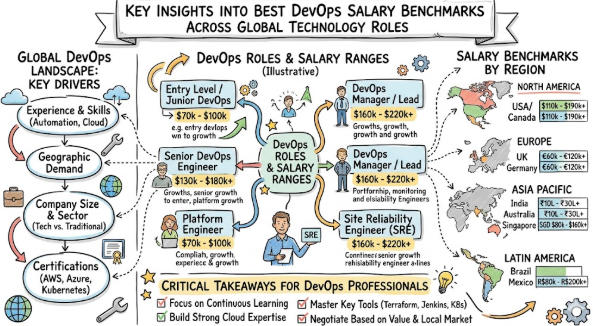
Table 1 – DevOps Salary by Experience Level
| Experience Level | Average Base Salary | Range | Typical Responsibilities |
| Entry-Level / Junior DevOps | $75,000 | $60,000 – $95,000 | Maintaining basic CI/CD pipelines, writing minor automation scripts, troubleshooting environment issues, and monitoring system alerts. |
| Mid-Level DevOps Engineer | $115,000 | $95,000 – $140,000 | Designing and deploying cloud infrastructure, optimizing CI/CD workflows, managing containerized applications, and collaborating with development teams. |
| Senior DevOps Engineer | $160,000 | $135,000 – $210,000 | Architecting scalable infrastructure, leading cloud migration strategies, implementing advanced security controls, and optimizing infrastructure costs. |
| Lead / Principal DevOps | $195,000 | $170,000 – $260,000 | Setting organizational technical roadmaps, evaluating enterprise tooling, mentoring senior engineers, and aligning infrastructure capability with business goals. |
| SRE / Platform Lead | $210,000 | $180,000 – $290,000 | Ensuring ultra-high system availability, building internal developer platforms (IDPs), designing chaos engineering experiments, and managing large-scale incident responses. |
Factors That Influence DevOps Salary
Your earning potential as a cloud DevOps professional is governed by a dynamic set of variables rather than a static tenure timeline. Understanding these factors allows you to intentionally steer your career toward high-value specializations. Employers evaluate your compensation bracket based on the complexity of the problems you can solve and the scale of the infrastructure you can reliably manage.
To systematically elevate your market value, you must understand the primary drivers behind salary differentiation in the current job market:
- Geographic Region and Cost of Living: Local market dynamics and regional economic factors dictate baseline pay scales. Tech hubs with higher living expenses offer elevated cash components to stay competitive.
- Company Size and Industry: Fortune 500 enterprises, hyper-growth tech firms, and quantitative finance companies offer larger compensation budgets and stock incentives compared to early-stage startups or traditional non-tech sectors.
- Cloud and Platform Expertise (AWS, Azure, GCP): Deep architectural knowledge of major cloud providers, particularly multi-cloud or hybrid environments, increases your value to enterprises trying to avoid vendor lock-in.
- Container Orchestration (Kubernetes, Docker): The ability to manage production-grade Kubernetes clusters, handle service meshes, and troubleshoot complex microservices networks commands premium compensation.
- Infrastructure Automation (Terraform, Ansible): Moving from manual infrastructure configurations to immutable, version-controlled Infrastructure as Code (IaC) is an absolute requirement for high-paying roles.
- Security and DevSecOps Skills: Integrating security automated scanning, vulnerability assessments, and compliance checks directly into the deployment pipeline commands higher compensation due to the critical nature of data protection.
- Monitoring and Observability: Moving past simple alerts to implement comprehensive log aggregation, distributed tracing, and predictive monitoring solutions helps businesses save money and elevates your engineering status.
- Team Leadership and Project Scope: Managing cross-functional initiatives, coordinating large migrations, and communicating technical risk to non-technical business executives significantly boosts your professional value.
- Certifications and Practical Experience: While certifications validate your foundational knowledge and help pass initial resume screens, your ability to articulate real-world problem-solving during technical interviews ultimately secures top-tier offers.
Regional Salary Comparisons
Geographic location remains one of the most powerful factors affecting your baseline DevOps engineer salary. Different parts of the world operate on distinct economic foundations, balancing local talent pools, tech ecosystem maturity, and corporate tax environments. A clear regional breakdown helps you understand your local market or plan a potential relocation strategy.
Market dynamics vary significantly across these major tech landscapes:
- United States: The US market remains the global benchmark for peak technology compensation. Driven by intense competition in Silicon Valley, New York, Seattle, and emerging hubs like Austin and Atlanta, companies utilize aggressive stock options and cash bonuses to secure top-tier talent.
- Canada: Offering a strong, steady tech ecosystem, Canadian hubs like Toronto, Vancouver, and Montreal provide highly competitive salaries. While slightly lower than US figures in pure currency conversion, Canadian positions offer strong stability and robust corporate benefits.
- UK & Europe: The European market focuses heavily on work-life balance, strong social benefits, and comprehensive healthcare systems alongside base salaries. Tech hubs like London, Berlin, Amsterdam, and Zurich offer premium compensation scales, especially within the fintech and enterprise software sectors.
- India: As one of the fastest-growing technology sectors globally, India has transitioned from a traditional outsourcing hub into a premier center for global capability hubs and product engineering. High-skilled DevOps engineers in Bengaluru, Hyderabad, and Pune experience rapid salary acceleration that far exceeds national averages.
- Australia: Driven by rapid enterprise cloud adoption across Sydney and Melbourne, the Australian market offers excellent base salaries and mandatory retirement contributions (superannuation), reflecting a high standard of living and localized talent competition.
- Middle East: Rapidly expanding tech ecosystems in regions like the UAE (Dubai) and Saudi Arabia attract international talent by offering competitive, tax-free compensation packages coupled with comprehensive relocation allowances.
Table 2 – DevOps Salary Comparison by Region
| Region | Average Salary (USD Equivalent) | Cost of Living Adjustment | Key Demand Skills |
| United States | $145,000 – $190,000 | Very High | Advanced Kubernetes, Multi-Cloud Architecture, DevSecOps, Platform Engineering |
| Canada | $105,000 – $135,000 | High | AWS/Azure Expertise, Terraform, CI/CD Automation, GitOps |
| UK & Europe | $85,000 – $120,000 | Medium to High | Observability (Prometheus/Grafana), Cloud Security, Docker, Linux Systems |
| Australia | $110,000 – $140,000 | High | Hybrid Cloud, Enterprise Automation, SRE Methodologies, Python |
| India | $18,000 – $35,000 | Low | Cloud Migrations, Jenkins/GitHub Actions, Ansible, Core AWS Services |
| Middle East | $90,000 – $130,000 | High (Tax-Free Benefits) | Infrastructure Modernization, Containerization, IT Governance, Cyber Security |
Step-by-Step Guide to Increase Your DevOps Salary
Elevating your compensation within the DevOps trajectory requires a intentional combination of deep technical upskilling and clear professional positioning. You cannot rely on tenure alone to yield substantial salary increases. Instead, focus on becoming an engineer who directly eliminates operational bottlenecks, minimizes cloud waste, and protects corporate infrastructure from systemic downtime.
Follow this structured framework to systematically increase your market value and secure your next compensation increase:
- Master Core DevOps Tools: Establish a flawless baseline. Ensure you possess complete command over Linux system administration, advanced Git workflows, and modern CI/CD orchestration engines such as GitHub Actions, GitLab CI, or Jenkins.
- Learn Cloud Platforms: Move beyond basic resource provisioning. Develop deep architectural knowledge of at least one primary cloud provider (AWS, Azure, or GCP), focusing heavily on identity access management, networking, and serverless architectures.
- Specialize in Kubernetes and Automation: Modern scalable infrastructure runs on containers. Master Docker containerization and learn to architect, secure, and scale production Kubernetes environments, utilizing GitOps workflows for deployment.
- Learn Observability and Security: Turn invisible systems visible. Implement comprehensive monitoring stacks using Prometheus, Grafana, and ELK/OpenSearch. Integrate automated security scanning directly into your software delivery lifecycles to master DevSecOps principles.
- Build Real-World Projects and Portfolio: Replace abstract resume bullet points with concrete proof. Document public GitHub repositories demonstrating working infrastructure-as-code deployments, automated failover systems, and live cloud applications.
- Get Recognized Certifications: Use professional credentials to pass initial HR resume filters. Focus on high-value certifications such as Certified Kubernetes Administrator (CKA), AWS Certified DevOps Engineer Professional, or Microsoft DevOps Engineer Expert.
- Prepare for System Design and Behavioral Interviews: Technical execution is only half the battle. Practice explaining complex distributed systems architecture clearly and utilize the STAR method to describe how you solved production outages and led cross-functional collaborations.
- Negotiate Salary with Data: Never accept the initial offer without review. Research localized industry benchmarks using verified platforms, clearly state the specific financial and operational values you bring to the team, and calmly present counteroffers backed by your technical achievements.
Skills That Maximize DevOps Salary
In the technology marketplace, specific skills command a financial premium because they are rare, complex to master, and highly impactful to corporate profitability. If you want to maximize your DevOps career salary guide outcomes, focusing your energy on general tasks will yield diminishing returns. You must target high-leverage technical competencies that directly solve enterprise-level pain points.
Investing your learning hours into these highly sought-after domains will yield the highest return on investment for your career:
- Cloud Certifications: Professional-level architecture and security credentials from major cloud providers that validate your ability to manage high-availability enterprise environments.
- Kubernetes/Docker Expertise: Mastery over container runtimes, network microservices, service meshes (like Istio), and complex multi-tenant cluster management.
- Terraform and IaC Mastery: The capability to design modular, clean, and reusable infrastructure-as-code configurations that allow entire corporate environments to be spun up or destroyed safely via automation.
- DevSecOps and Security Automation: Shifting security to the left by automating compliance checks, secret management (e.g., HashiCorp Vault), and continuous vulnerability patching.
- SRE Principles: Applying a software engineering mindset to infrastructure challenges, mastering error budgets, defining clear Service Level Objectives (SLOs), and eliminating operational toil.
- Monitoring and Observability: Crafting deep insight systems that trace transactions across distributed microservices, identifying performance bottlenecks before they impact customer experience.
- Python/Scripting: Moving past basic terminal interactions to build customized internal tools, automate complex data pipelines, and interact directly with cloud APIs using Python, Go, or Bash.
- Soft Skills and Communication: Translating deeply technical infrastructure challenges into clear business risks, building consensus across isolated engineering teams, and mentoring junior staff.
Real-World Salary Growth Scenarios
To understand how these compensation factors interact over time, let us look at real-world examples of professional development within the cloud engineering market.
Scenario 1: The Fresh Graduate Progression
An enthusiastic computer science graduate enters the tech sector as a Junior DevOps Engineer at a regional software firm. Initially managing basic Jenkins pipelines and tracking server alerts, their starting salary sits at $70,000. By dedicating their evenings to mastering Terraform and passing the Certified Kubernetes Administrator (CKA) exam within eighteen months, they demonstrate the ability to manage complex cloud resources independently. Recognizing this growth, their company promotes them to a Mid-Level position, elevating their base pay to $105,000.
Scenario 2: The Infrastructure Specialist Transition
A traditional system administrator with five years of experience managing on-premise hardware realizes the market is moving decisively to cloud architectures. They systematically upskill by learning AWS architecture and transitioning into a cloud DevOps salary track at an enterprise logistics firm. By successfully migrating the company’s legacy application cluster into a modern automated cloud setup, they eliminate manual server maintenance. This shift in capability instantly pushes their base compensation from an outdated $80,000 IT support scale up to a lucrative $130,000 DevOps engineering tier.
Scenario 3: The Enterprise Platform Architect
A Senior DevOps Engineer operating at $155,000 identifies that their organization’s internal development teams lose substantial time waiting for cloud environments to be provisioned manually. They take the initiative to design an automated internal developer platform using Kubernetes, Backstage, and secure GitOps pipelines. By transforming the engineering department’s velocity and cutting environment configuration times from days to minutes, they step into a Principal Platform Lead role, securing a new total compensation package valued at $215,000 plus substantial corporate stock options.
Common Mistakes to Avoid
Navigating a DevOps career salary guide successfully requires avoiding common tactical errors that slow down your professional momentum and limit your earning potential. Technical talent must be paired with strategic career planning to yield optimal financial outcomes.
Be careful to avoid these common mistakes throughout your career development:
- Expecting High Salary Without Hands-On Skills: Relying purely on theoretical knowledge or vocabulary definitions rather than demonstrating the ability to configure, troubleshoot, and scale real production infrastructure.
- Ignoring Cloud and Container Expertise: Remaining comfortable with legacy local virtualization software while neglecting modern cloud architectures and container orchestration models that enterprises demand.
- Not Learning Security and Monitoring: Treating system security and logging configurations as secondary tasks belonging to other teams rather than building them directly into your core design patterns.
- Only Collecting Certificates Without Real Projects: Accumulating a long list of digital badges without maintaining an active, public portfolio of original code and infrastructure projects to validate your certifications.
- Ignoring Negotiation Preparation: Accepting the very first corporate financial offer due to imposter syndrome or lack of interview preparation, leaving substantial money and stock compensation on the table.
- Taking Certifications Without Experience Alignment: Pursuing ultra-advanced, niche enterprise certifications before mastering the foundational operating system fundamentals, basic networking, and clean coding practices that support them.
Frequently Asked Questions (FAQs)
1. What is the average DevOps salary worldwide?
The global average varies drastically by country, but across major mature tech markets, the median salary ranges from $95,000 to $145,000 annually. Total compensation is frequently higher due to performance bonuses, sign-on rewards, and equity incentives.
2. How much do entry-level DevOps engineers earn?
Entry-level and junior DevOps professionals typically earn between $60,000 and $95,000 per year in the United States. In lower cost-of-living markets like India, entry positions start around ₹5,00,000 to ₹8,00,000 per annum, depending on foundational programming and cloud skills.
3. Does DevOps salary vary by country?
Yes, geographical location strongly dictates the base pay scale due to local cost of living adjustments, localized talent availability, and market maturity. The United States and Australia offer some of the highest base salaries, while regions like Europe balance cash compensation with robust social benefits.
4. Which skills increase DevOps pay the most?
Production-grade Kubernetes cluster management, multi-cloud enterprise architecture (AWS/Azure), Infrastructure as Code automation using advanced Terraform modules, and deep DevSecOps automated compliance implementation yield the highest compensation increases.
5. Do certifications improve salary?
Certifications validate your core knowledge, help your application clear initial automated HR tracking screens, and establish technical credibility. However, they must be paired with real-world troubleshooting capability and practical project portfolios to secure top-tier salaries.
6. What is the difference in salary between DevOps and SRE?
Site Reliability Engineers (SREs) typically earn a 10% to 20% premium over generalist DevOps engineers. This pay difference exists because SRE roles require deeper software engineering capabilities, advanced algorithmic coding, and the responsibility of managing large-scale system uptime under intense operational pressure.
7. Is cloud expertise necessary to earn more?
Yes, modern high-paying DevOps positions are fundamentally tied to cloud-native ecosystems. While fundamental Linux and on-premise networking remain vital foundations, moving into upper-tier compensation scales requires deep expertise in scaling applications across AWS, Azure, or GCP environments.
8. Can I earn more as a DevOps engineer without a degree?
Absolutely. The DevOps and cloud job market prioritizes practical execution, automation capabilities, and proven problem-solving over traditional university credentials. Building an impressive public GitHub repository and demonstrating deep system design knowledge can easily override the absence of a formal degree during salary discussions.
9. What is the salary trend for DevOps?
The salary trajectory for DevOps, SRE, and Platform Engineering roles remains on a strong upward path. As enterprises across all traditional sectors continue to digitize their operations, the demand for specialists who can optimize infrastructure costs and guarantee application uptime continues to outpace available market talent.
10. Do DevSecOps skills increase pay?
Yes, integrating automated security testing, vulnerability patching, and secret management tools directly into CI/CD pipelines is a highly valued capability. Engineers who protect corporate systems from data breaches while maintaining high deployment speeds command premium compensation across all industries.
Conclusion
Navigating the landscape of DevOps compensation reveals a clear reality: your earning capacity is directly tied to the complexity of the problems you can solve. As organizations scale their cloud footprints, they willingly pay top tier compensation to professionals who eliminate operational friction, reduce infrastructure expenses, and secure deployment pipelines. From entry-level positions to high-value SRE and Platform Engineering roles, the financial trajectory remains exceptionally strong for those who approach their careers strategically.
To unlock your maximum earning potential, focus consistently on building practical skills, documenting real-world infrastructure projects, and developing deep cloud competency. True career growth belongs to those who actively step away from manual interventions and embrace automation, observability, and immutable architecture. Pair your technical expertise with data-driven interview preparation and confident salary negotiation to ensure you are fully compensated for the immense value you bring to the table. Commit yourself to continuous learning, stay curious about emerging cloud native technologies, and systematically steer your technical focus toward high-leverage engineering challenges.
