Introduction
Life is unpredictable. One day your finances are stable, and the next day your car breaks down or a pipe bursts in your kitchen. When these sudden expenses pop up, your regular monthly budget might not have enough cash to cover them.
Many people feel stressed in these moments because they do not have an emergency fund ready. This is where small loans come into the picture.
While taking on debt is generally something to approach with caution, small loans can act as a financial bridge during genuine emergencies. This article explores how small loans work, why they matter in urgent situations, and how to use them responsibly without falling into a debt trap.
What Is a Small Loan?
A small loan is a modest amount of money borrowed from a bank, credit union, or online lender that you agree to pay back over a short period.
- Simple meaning: Borrowing a small amount of cash—usually ranging from a few hundred to a few thousand dollars—to fix an immediate cash shortage.
- Why it matters: Traditional bank loans can take weeks to approve and are often designed for large purchases like buying a house or a car. Small loans are designed for speed and accessibility.
- Example: If your refrigerator stops working and you need to replace it immediately to keep your food from spoiling, a small loan can help you pay for the appliance right away.
How Small Loans Work
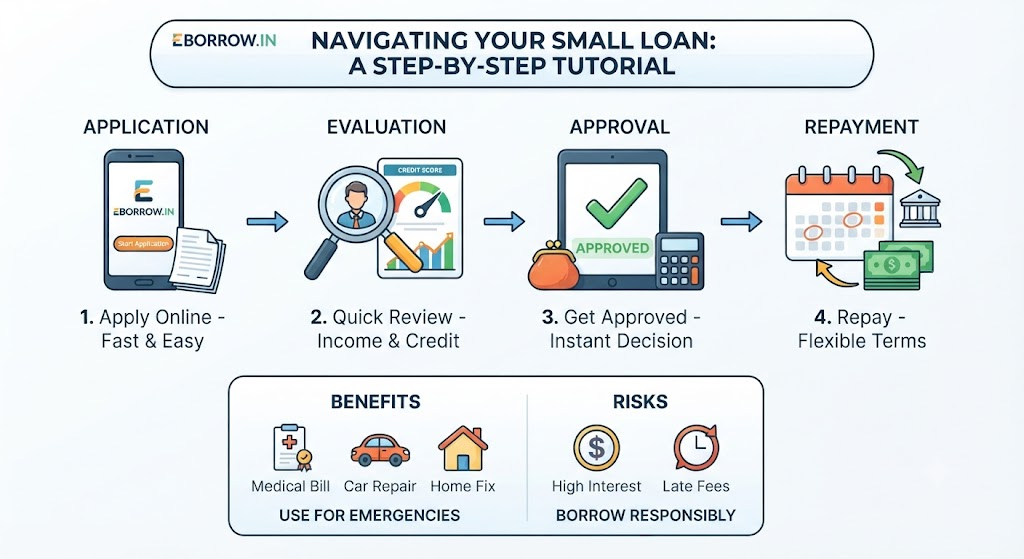
The process of getting and repaying a small loan is usually straightforward compared to traditional lending.
1. Application
You apply for the loan through a bank, financial institution, or digital lending platform. Many modern lenders allow you to apply online in just a few minutes.
2. Approval
The lender checks your identity, income, and sometimes your credit score. Because the amounts are small, the approval decision often happens very quickly—sometimes within minutes or hours.
3. Disbursement
Once approved, the money is transferred directly to your bank account or handed to you in cash.
4. Repayment
You pay the money back in regular installments (weekly or monthly) over a short term, which usually lasts from a few weeks to several months. The payment includes the original amount borrowed (the principal) plus interest and any applicable fees.
Why Small Loans Matter in Urgent Situations
When an emergency happens, time is your most precious resource. Waiting weeks for loan approval is simply not an option when you are facing a crisis. Small loans matter because they offer specific advantages during high-stress moments.
Speed and Accessibility
In an emergency, you need cash immediately. Small loans often feature fast processing times. Many digital lenders can deposit funds into your account on the same day you apply.
Preventing Worse Financial Outcomes
Sometimes, spending a little extra money on interest is better than facing a much larger penalty. For example, paying a small loan fee might be cheaper than missing a rent payment, getting evicted, or letting an untreated medical issue worsen.
Bridging the Income Gap
If you face an unexpected expense right before payday, a small loan can bridge the gap until your next paycheck arrives, keeping your daily life stable.
Practical Examples: When Small Loans Help
To understand how small loans work in the real world, consider these common scenarios:
- The Medical Emergency: A freelance graphic designer slips and hurts her wrist. She needs an X-ray right away, but her health insurance deductible requires an upfront cash payment. A small loan covers the clinic fee immediately so she can get treatment.
- The Urgent Vehicle Repair: A delivery driver relies on his car to earn a living. The transmission fails unexpectedly. Without his car, he cannot work or make money. A small loan helps him pay for the urgent repair so he can get back on the road the next day.
Common Risks and Limitations
While small loans are helpful in emergencies, they are not risk-free. Understanding the downsides helps you avoid long-term financial trouble.
- High Interest Rates: Because small loans involve higher risk for lenders and do not require heavy collateral, lenders often charge higher interest rates than they would for a mortgage or car loan.
- Short Repayment Windows: Having to pay back the borrowed money in a very short time can put heavy pressure on your monthly budget.
- The Debt Cycle: If you cannot repay the loan on time, you might be tempted to take out another loan to pay off the first one. This creates a dangerous cycle of rising debt.
Decision-Making Framework: Should You Take a Small Loan?
Before applying for a small loan, walk through this simple decision framework to make sure it is the right choice:
- Is it a true emergency?
- Good reason: Urgent car repair to get to work.
- Bad reason: Buying a new smartphone just because it launched.
- Do you have alternative options?
- Can you use your savings?
- Can you borrow from family or friends without interest?
- Can you afford the repayment?
- Look at your upcoming income and expenses. Will you realistically have enough money to pay the loan back on time?
- What are the total costs?
- Read the terms carefully. Understand the interest rate, processing fees, and late payment penalties.
Checklist Before Borrowing
Use this checklist to protect yourself before signing any loan agreement:
- [ ] Verified that the lender is legitimate and licensed.
- [ ] Read and understood the total cost, including interest and fees.
- [ ] Checked the exact repayment schedule and due dates.
- [ ] Confirmed there are no hidden penalties for paying the loan off early.
- [ ] Created a realistic budget showing how you will make the repayments.
Key Terms
- Principal: The original amount of money you borrow, separate from the interest and fees.
- Interest Rate: The percentage charged by the lender for the privilege of borrowing their money.
- Term: The length of time you have to pay back the loan in full.
- Collateral: An asset (like a car or property) that you pledge to a lender as security for a loan. Small loans are often unsecured, meaning they do not require collateral.
- Default: Failing to repay a loan according to the agreed-upon terms, which can damage your credit score.
Frequently Asked Questions
What is considered a small loan?
A small loan typically refers to a short-term borrowing amount ranging from a few hundred dollars up to a few thousand dollars, designed to cover immediate, unexpected expenses.
Are small loans easy to get?
Yes, many lenders make small loans easy to apply for online, often requiring minimal paperwork. However, approval still depends on your income, identity verification, and sometimes your credit history.
What is the biggest risk of taking a small loan?
The biggest risk is high interest rates combined with short repayment windows. If you miss a payment, fees can accumulate quickly and make the debt difficult to clear.
Can a small loan hurt my credit score?
Making your loan payments on time can help improve your credit score. However, missing payments or defaulting on the loan will severely harm your credit history.
Should I use a small loan for shopping or vacations?
No. Small loans carry borrowing costs and are strictly meant for urgent, necessary expenses—not for discretionary purchases or lifestyle upgrades.
What should I do if I cannot repay the loan on time?
Contact your lender immediately. Many reputable lenders offer hardship options or extensions if you communicate with them before your payment is officially due.
Conclusion
Small loans can be powerful financial tools when you face unexpected emergencies. They offer speed and convenience when traditional funding options take too long.
However, because they often come with higher costs and short repayment terms, they require careful planning. Always evaluate your alternatives, read the terms closely, and ensure you have a clear plan to pay the money back. Used wisely, a small loan can help you navigate a temporary crisis without turning it into a long-term financial burden.
